

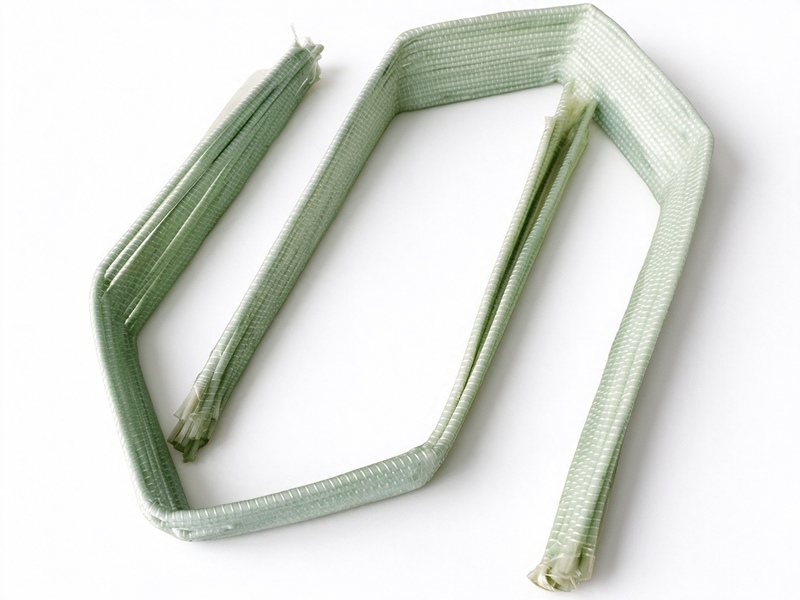
Fiberglass Rebar
Pultruded fiberglass rebar from 8 mm to 25 mm diameter with a ribbed or threaded surface for bridge decks, tunnel lining, foundation pits and marine structures....
Product Introduction
Fiberglass rebar is a high-performance composite bar formed by pultrusion from fiberglass reinforcement with a resin binder. It is widely used in concrete structures and support works. The bar is light, strong, corrosion resistant and non-conductive, which makes it a practical replacement for steel rebar, especially in damp, saline and chemically aggressive conditions.
The company produces fiberglass rebar from alkali-free fiberglass and high-performance resin using a mature process, so the bar has high strength and a good surface finish. A range of diameters and cut lengths is available to customer requirements to meet the design needs of different projects.
Specifications and Installation Features
Common sizes include diameters of 8 mm, 10 mm, 12 mm, 16 mm, 20 mm and 25 mm, and lengths can be made to project requirements. The surface can be formed as a threaded or ribbed profile for a good bond with concrete, and the bar can be fixed by tying or by mechanical connection during installation.
Fiberglass rebar is light, which makes it easy to handle and install and reduces labour on site. The bar does not conduct electricity or carry magnetism, so it can be used in electrified railway lines, medical facilities and other locations that are sensitive to electromagnetic conditions, and it can be cut on site easily, which makes installation flexible and efficient.
Advantages over Steel Rebar
Compared with ordinary steel rebar, fiberglass rebar has clear advantages: its density is about one quarter that of steel while strength is comparable; it resists acid, alkali and salt corrosion, so its service life in aggressive conditions is much longer than that of steel; its thermal conductivity is low and its thermal insulation is good; and transport and installation cost less.
In bridge decks, coastal buildings, wastewater treatment facilities and other corrosive environments, fiberglass rebar reduces later maintenance and replacement costs, and the overall economic benefit is clear. The product is already in use on a number of projects with good results.
Applications and Sourcing Advice
Fiberglass rebar is mainly used in bridge deck overlays, slope anchoring, foundation pit support, tunnel lining and marine structures, and it also suits mine roadways, utility tunnels and other special environments. When selecting, determine bar diameter and spacing from the design load and structural requirements, and consult the manufacturer for technical data.
When purchasing, choose a manufacturer with a mature process and a complete quality control system, and ask for the product test reports. The company can provide trial samples and technical advice and welcomes enquiries about cooperation.